Autism Spectrum Disorder (ASD): A Complete Guide
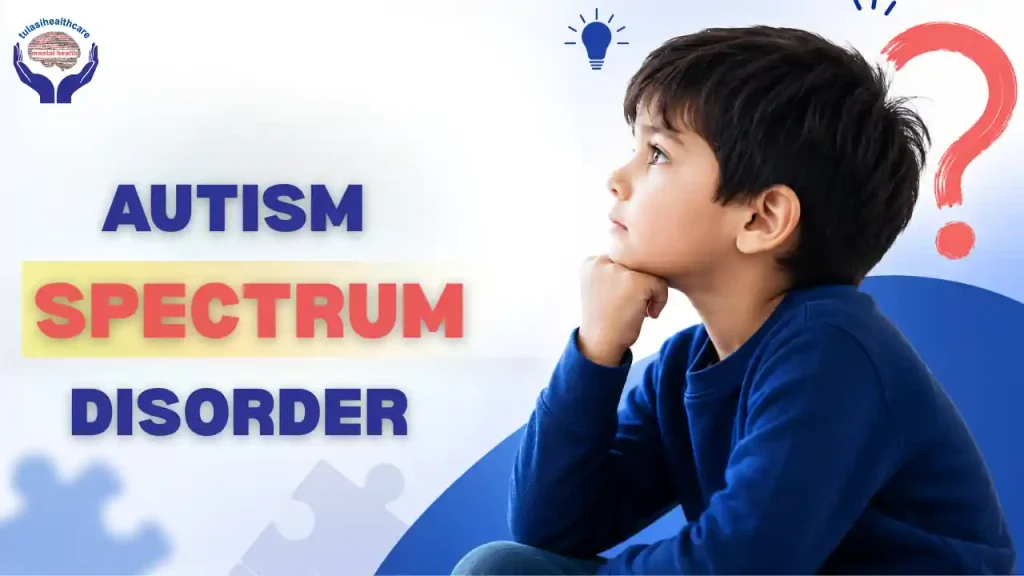
Autism spectrum disorder is a lifelong neuro developmental condition that affects how a person communicates, holds interactions with others, learns things and experiences the world. Every individual with autism is unique in their own way, which is why it is called the spectrum. Some people need only minimal support, but some require ongoing assistance for a long period in their daily lives.
Understanding autism is the first step towards providing the right care and support. This complete guide explains what autism spectrum disorder is, what are the treatment options available, its early signs and symptoms, what are the possible causes behind it and different levels of support which can be provided to the individuals. It also helps families looking for autism treatment in Gurgaon & Delhi NCR and answers common questions that parents often have.
Earlier identification of autism symptoms and timely intervention can improve a lot of things for them like their communication and learning along with their social skills. Whether you are a parent or a caregiver, or simply looking to learn more, this guide will help you better understand what autism is all about.
Meet Our Child & Adolescent Mental Health Team in Gurgaon & Delhi NCR

Consultant Child and Adolescent Psychiatrist
Experience: 14+ Years
Subject Expert:
- Autism Spectrum Disorder and Behavioural Difficulties
- OCD
- ADHD
- Mood Disorders
- Psychosis
Consultation Fee: ₹2500 for 40 minutes
OPD: Mon to Sat (10 am to 6 pm)
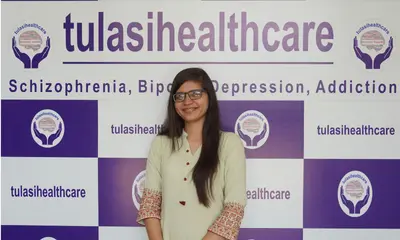
Consultant Psychiatrist
Experience: 9+ Years
Subject Expert:
- Psychosexual Disorder
- Psychotic Disorders
- Anxiety & OCD
- Phobias
- ADHD
- Autism Spectrum Disorder
Consultation Fee: ₹1200 for 20 minutes
Online OPD: Mon – Sat (10:00 am – 05:00 pm)

Consultant Psychiatrist
Experience: 7+ Years
Subject Expert:
- Schizophrenia
- Bipolar
- Depression
- Anxiety & OCD
- Autism Spectrum Disorder
- Attention Deficit / Hyperactivity Disorder (ADHD)
Consultation Fee: ₹1200 for 20 minutes
OPD: Mon – Sat (1:00 pm – 5:00 pm)
What is Autism Spectrum Disorder?
Autism spectrum disorder (ASD) is a condition that affects how a person communicates, interacts with others around them, learns new things and understands how the world works. It is called a spectrum because every person with autism is unique in their own way. Some people need very little support, while some require attention with their daily activities.
Autism in children often becomes noticeable during the first few years of their life. There are very small but noticeable changes that may appear earlier or later in life. Early diagnosis and timely support can help children develop important communication and life skills. With growing autism awareness, more families are recognising the early concerns and seeking guidance from professionals. Visiting a trusted child development Centre, child psychiatrist or psychologist offering autism treatment in Gurgaon & Delhi NCR can make a real difference in a child’s progress.
What are the Signs and Symptoms of Autism?
Autism symptoms can vary from one person to another. Some children show only a little science, while some show a lot.
Common signs of autism include –
- – Delayed speech and language development
- – Problem and understanding what the social cues mean
- – Repeating words, sounds and movements
- – Strong urge to follow routines and difficulty handling changes
- – Interesting in specific objects and topics
- – High sensitivity to certain sounds, lights, smells, and textures
- – Difficulty in expressing what they feel and understanding others feelings
Not every child with the symptoms usually has autism spectrum disorder, so a professional evaluation is necessary to know if the parents have any concerns.
What are the Levels of Autism?
Doctors often describe the ASD spectrum using three levels based on the amount of support an individual requires in their daily life. These are-
Level 1. Requiring Support
People at this level can usually manage their lives by using communication to manage themselves independently. However, they may struggle with social interactions on Level, making friends, and even adjusting to changes in the routines.
Level 2. Requiring Substantial Support
Individuals at this level, usually have a little more noticeable communication difference and they also display repetitive behaviors more frequently. They often need regular support at home, school and in social settings.
Level 3. Requiring Very Substantial Support
People at level three autism usually have a very significant communication challenge and require a lot of support in their daily life. They need to be with their caregiver and parents at all times and have very limited speech. They find changes in their routine extremely stressful and resent change.
What Causes Autism?
There is no single cause of autism spectrum disorder. Research suggest that several factors work together to build upon the conditions that bring out its expression. These are-
Genetic Factors
Genetics are considered as one of the biggest contributors to autism spectrum disorder. Research shows that autism runs in families, which makes it an inherited issue. Scientists have identified several genes that increase the likelihood of children developing autism, although no single one of them is responsible for the condition entirely. In many cases, a combination of changes may inference her brain develops before birth. However, having this cheese does not guarantee that a person will definitely have autism. Genetics simply increase the possibility of a child procuring autism, but it does not guarantee that. Many children with autism also have no known family history. Research is continuing to show how different genes affect brain development and contribute to the ASD spectrum.
Environmental and Prenatal Factors
Environmental and prenatal factors play a role in development of autism spectrum disorder, especially when combined with genetic influences. Certain pregnancy related conditions, like premature birth, low birthweight, advanced prenatal age, complications during pregnancy delivery have been linked with a slightly higher risk.
Some studies also suggest that maternal infections during pregnancy or exposure to certain medications may also contribute in rare cases. Most children expose to these situations do not directly develop autism, instead, experts think that autism developed complex interaction between genetic and environmental influences.
Common Myths About Autism Causes
There are many studies about what causes autism, but scientific research has repeatedly disproved them. One of the biggest misconceptions is that childhood vaccines cause autism, and that is simply not true. Multiple large-scale studies around the world have found no link between vaccines and autism spectrum disorder. Another false belief is that poor parenting, emotional neglect, or a lack of affection are also causes behind autism, and that is completely untrue.
Autism is a neurodevelopmental condition and cannot simply appear just because of a bad parenting style. Similarly, eating certain foods, using electronic devices and a child’s personality does not simply cause autism. Spreading accurate information improves autism awareness, and reduces stigma around it.
How is Autism Diagnosed?
There is no single blood test or scan that can diagnose autism directly. Doctors diagnose autism spectrum disorder by observing a child’s behaviour, communication and developmental milestones. They may ask parents detailed questions about the child’s growth and interactions that they have.
Their assessments involve things like-
- – Developmental milestone screening
- – Behavioural observations
- – Speech and language evaluation
- – Psychological assessment
- – Medical examination to out any other plausible causes
A specialist in a child development center often has a team of experts like paediatricians, psychologist, speech therapist, and occupational therapist that work together to make an accurate diagnosis.
What are the Treatment and Support Options for Autism?
There is no single tour for autism, but early intervention and personalized support can greatly improve the quality of life for such children. The goal of autism treatment is to help individuals become independent and confident as possible. They should be able to support themselves in their daily lives without much help.
Behavioral Therapies (ABA and Alternatives)
Viral therapy is one of the most common approaches used in autism treatment. The goal is to help children improve their communication, their social interaction, their learning, their daily living skills while reducing behaviours. Applied behaviour and analysis (ABA) approaches are very child, Central and available, depending on the individual needs. Therapy plans are personalised, focusing on each child’s strengths and challenges.
Speech and Communication Therapy
Speech and communication therapy. Make sure that the children improve both on verbal and non-verbal communication skills. Some children learn to speak more clearly while others benefit from gestures and pitch based communications. Therapists work on improving their listening skills, their understanding of language and expression of emotions. They also encourage them to participate in conversations actively. Early speech therapy can become very effective and build stronger relationships with family members, and others around them.
Occupational Therapy
Occupational therapy focuses on helping children become more independent in their daily life. Therapists teach practical skills like eating, dressing up, writing, using school materials and personal hygiene. They help children who experience sensory sensitivity like loud noise, discomfort with bright lights and certain textures.
By improving motor skills and coordination, occupational therapy improves children’s participation by being able to help and stay comfortable at home school and social settings.
Educational and School-Based Support
Children with autism often benefit from educational support that matches their learning needs. Schools usually provide individualised education plans, classroom accommodations, and special educators to build a learning strategy better. Teachers, therapists and parents work together to create a supportive environment. Early education support also helps children build confidence and adapt easily in school routines.
Medication — What It Can and Cannot Treat
There is currently no medication that can cure autism spectrum disorder. however, doctors may prescribe medicines to health, manage these conditions that sometimes occur alongside autism. Conditions like anxiety, attention, difficulties, hyperactivity, sleep issues and irritability are common. Medication is usually recommended only when it is necessary and combined with therapy.
Family Counseling and Parent Training
Family support always plays an important role and helps a child with autism grow and thrive. Parent training programs and teacher caregiver practical are important to improve their communication and encourage positive behaviour. Family counselling also helps parents and siblings. Understanding what the child is going through, reduces stress and strengthens the family relationship.
How does a Person Live with Autism?
Life with autism spectrum disorder is different for every individual. Many people with autism attend school, build careers, develop friendships, and live independently. Others may need lifelong support. Creating a structured routine, encouraging strength, and providing emotional support, ensuring access to the right therapy can help individuals know how to live their life better
Families, teachers, and employers, along with communities around such children have an important role in building acceptance in promoting autism awareness. If you have any concerns about your child and are searching for an autism Centre near me, choosing an experienced team that provides comprehensive evaluation can make early intervention easier.
What Autism Care Services are Offered at Tulasi Healthcare?
Tulasi Healthcare provides comprehensive care for children with families affected by autism spectrum disorder. The multidisciplinary team focuses on early diagnosis and personalised intervention.
Services include–
- – Autism screening and diagnosis
- – Child psychiatric consultation
- – Occupational and speech therapy
- – Parent counselling and behavioural intervention programmes
- – Psychological assessment
- – Individualised care plans
- – Regular developmental monitoring
As a trusted autism therapy centre in Gurgaon & Delhi NCR, our team works closely with families to help every child reach their full potential through evidence-based care.
Looking for an Autism Expert? Connect with Tulasi Healthcare today.
If you notice the sign of autism in your child or are looking for expert care, don’t wait to seek professional advice. Early diagnosis and timely intervention can make a lot of meaningful difference in your child’s life. Whether you are searching for an autism Centre near me, an experienced autism therapy centre in Gurgaon& Delhi NCR, or a trusted child development centre in Delhi NCR, Tulasi Healthcare offers compassionate and evidence based therapy for your child.
FAQ's