
News Details
- admin
- 0 Comments
Phobias and their Treatment by Psychiatrists
Treatment of Phobias by Psychiatrist
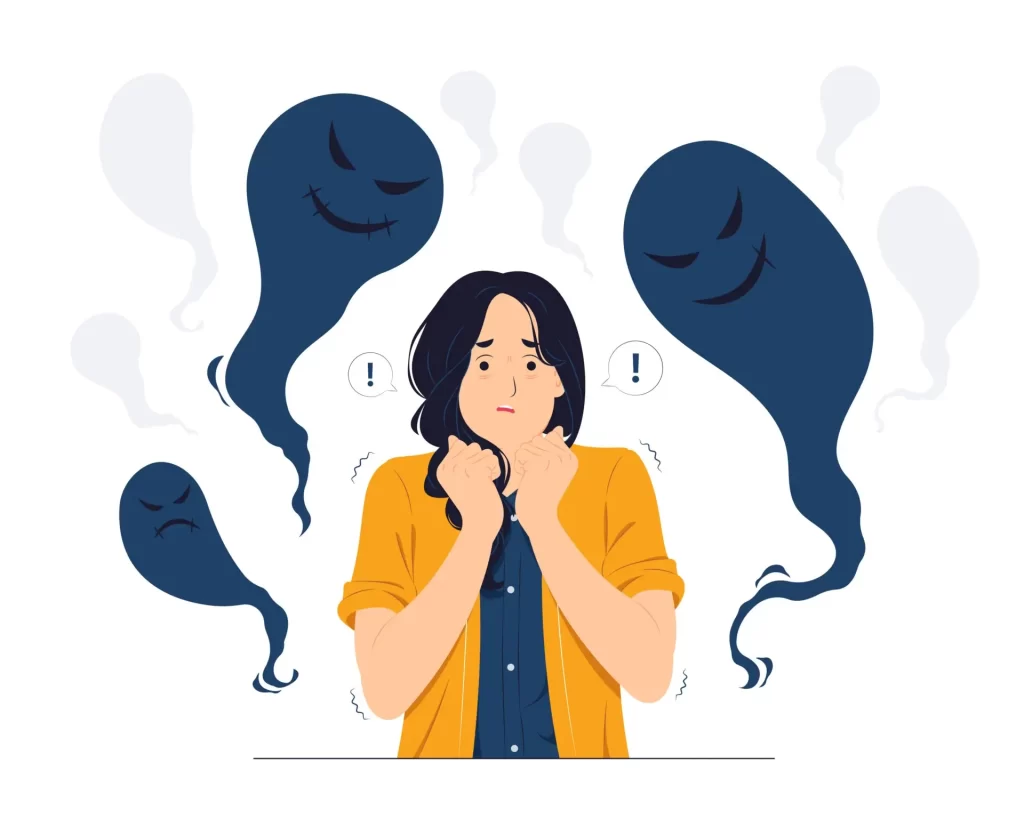
Phobias are a common type of anxiety disorder that can significantly impact an individual’s quality of life. These irrational and intense fears of specific objects, situations, or experiences can trigger debilitating anxiety responses. Phobias are more than just a simple aversion; they can lead to avoidance behaviors that interfere with one’s daily functioning. Psychiatrists are well-equipped to diagnose and treat phobias, using a variety of therapeutic modalities that can help individuals regain control over their lives.
Understanding Phobias
A phobia is defined as an severe, irrational fear of a specific object, state of affairs, or interest. While worry is a ordinary and regularly protecting reaction to a perceived danger, phobias are characterized by using their disproportionate, overwhelming nature. Phobias can embody a huge range of triggers, however they’re frequently classified into 3 primary classes:
Specific Phobias: These are the maximum commonplace type of phobia and involve an excessive worry of a selected object or situation, along with heights (acrophobia), spiders (arachnophobia), or flying (aviophobia).
Social Phobias (Social Anxiety Disorder): This kind of phobia entails an excessive fear of social conditions and the fear of being judged or scrutinized by means of others. Individuals with social phobias often keep away from social interactions to an volume that it negatively affects their lifestyles.
Agoraphobia: Agoraphobia is the worry of being in places or situations where get away might be tough or assist unavailable, commonly leading to avoidance of open spaces, crowds, or public transportation.
The precise reason of phobias is not properly understood, but they’re believed to end result from a aggregate of genetic, environmental, and mental factors. Traumatic studies, along with witnessing a annoying occasion or being bitten by using a canine, also can make contributions to the improvement of precise phobias.
Symptoms of Phobias
Phobias manifest through a range of physical and psychological symptoms, which may vary in intensity from one individual to another. Common symptoms of phobias include:
- Severe anxiety or panic attacks when exposed to the trigger.
- Rapid heartbeat (tachycardia) and shortness of breath.
- Trembling or shaking.
- Sweating excessively (diaphoresis).
- Nausea or gastrointestinal distress.
- Feeling dizzy or lightheaded.
- A strong desire to escape or avoid the phobic trigger.
- An overwhelming sense of fear or dread.
- Persistent, excessive worry about encountering the phobic trigger.
The impact of phobias on an individual’s life can be profound. They can lead to social isolation, strained relationships, and hindered career opportunities. In the case of precise phobias, people may fit to tremendous lengths to keep away from the trigger, which could extensively limit their activities and independence.
Treatment Approaches by Psychiatrists
Psychiatrists have specialized schooling in diagnosing and treating intellectual fitness situations, inclusive of phobias. They use a variety of healing approaches to assist individuals triumph over their phobias and regain manipulate over their lives. Treatment plans are frequently tailor-made to the unique desires and possibilities of the person. Common treatment modalities used by psychiatrists:
Cognitive-Behavioral Therapy (CBT): CBT is a well recognized and result oriented treatment for phobias. It includes identifying and challenging irrational mind and ideals associated with the terror and progressively exposing the man or woman to the phobic cause in a controlled and systematic manner. This system, referred to as exposure therapy, allows desensitize the individual to the dreaded item or situation. Over time, the tension response diminishes, and the person gains self assurance in dealing with their phobia.
Medication: In a few instances, psychiatrists may also prescribe remedy to alleviate the symptoms of phobias. Antidepressants, such as selective serotonin reuptake inhibitors (SSRIs), and anti-tension medications can assist manage the anxiety and panic associated with phobias. However, remedy is regularly used along with psychotherapy for the satisfactory outcomes.
Virtual Reality Exposure Therapy (VRET): This innovative technique makes use of virtual fact generation to reveal individuals to their phobic triggers in a managed and immersive environment. VRET has proven promising outcomes in treating diverse phobias, as it allows individuals to confront their fears in a secure and supervised placing.
Mindfulness and Relaxation Techniques: Psychiatrists may additionally train mindfulness and rest strategies to help individuals manage the symptoms of phobias. These practices can lessen the bodily and mental arousal related to the fear, making it less difficult for individuals to confront their fears.
Group Therapy: Group remedy sessions, led via a educated psychiatrist, can provide a supportive and understanding environment for people with phobias to proportion their reviews and examine from others going through similar demanding situations. Group therapy may be a precious addition to character treatment plans.
Hypnotherapy: Some people locate relief from their phobias via hypnotherapy, which entails a kingdom of deep relaxation and heightened suggestibility. A skilled psychiatrist or hypnotherapist can manual the individual to confront and reframe their phobic ideals and reactions.
Medication Management: Psychiatrists can oversee medicine management for individuals with phobias, ensuring that the prescribed medications are effective and properly-tolerated. They can make adjustments to the medication regimen as needed.
Self-Help Strategies: Psychiatrists may also provide guidance on self-help strategies, such as creating a hierarchy of fears to gradually confront phobic triggers or maintaining a journal to track progress and identify patterns in anxiety responses.
Success Rates and Challenges
The success of phobia treatment by psychiatrists varies from person to person. Many individuals revel in sizeable enhancements of their signs and symptoms and may resume normal sports with out immoderate fear or tension. However, the fulfillment of treatment regularly relies upon on several factors, together with the individual’s willingness to engage in therapy, the severity of the terror, and the presence of different co-occurring mental health situations.
Challenges in treating phobias can include:
Treatment Resistance: Some individuals may be resistant to therapy or find it challenging to confront their phobias, even with professional guidance. This resistance can hinder the effectiveness of treatment.
Co-Occurring Conditions: Phobias often co-occur with other intellectual fitness situations, such as despair or generalized tension disease. These co-happening conditions may additionally complicate the remedy procedure and require a more complete approach.
Relapse: While individuals may also experience considerable improvements during treatment, relapses can occur, specially in the course of times of accelerated stress or exposure to the phobic cause. Maintenance strategies are crucial to prevent relapse.
Medication Side Effects: Some individuals may additionally experience undesirable side effects from medications used to deal with phobias. Balancing the advantages and drawbacks of medicine can be a challenge for each the man or woman and the psychiatrist.
Phobias are common anxiety disorders that can severely disrupt an individual’s life. Psychiatrists play a vital role in diagnosing and treating phobias, using quite a number healing techniques to help people regain manipulate over their lives. Through cognitive-behavioral therapy, medicinal drug control, digital truth publicity remedy, and other strategies, people can discover ways to confront their fears and decrease the impact in their phobias.
While remedy fulfillment varies from person to person and might include challenges which includes resistance or co-going on situations, the intention is to provide individuals with the tools and techniques they want to control their phobias successfully.

Leave a comment