News Details
- Dr. Ratnarakshit Ingole
- 0 Comments
Understanding Bipolar Disorder: Signs, Symptoms, Daily Life, and the Path to Recovery
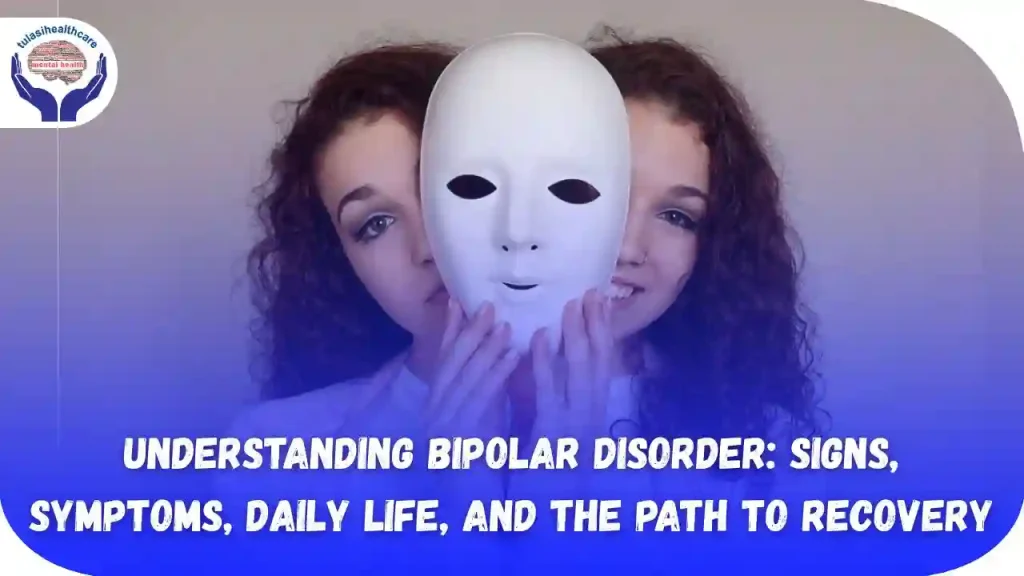
Bipolar Disorder Explained: Signs, Symptoms, Daily Life, and Treatment
Bipolar disorder is a mental health condition that affects an individual mood, energy, and their daily life. With noticeable changes in emotions, people may sometimes feel unusually energetic, excited or active in any sense. Many times, they may also feel very low, sad and lose interest in things they once enjoyed.
These changes are very intense and can affect daily life with their ups and downs. With an effect on work, studies, relationships, and overall well-being, this condition is very serious.
Many people have heard of bipolar disorder, but they do not actually know what it is exactly. Learning about this condition can help individuals and families understand what is happening with their loved ones and when to seek help. The good news is that bipolar disorder can be managed with right support and care. With proper bipolar disorder treatment in Delhi, Gurgaon NCR, people are able to live a healthy, productive, and meaningful life.
What Is Bipolar Disorder?
Bipolar disorder is a mental health condition which is diagnosed through proper consultations and a series of tests. Something a person may feel through long periods of time where they exactly feel very energetic, confident or restless, sometimes followed by a period of feeling sad, tired or hopeless as well.
These changes here are known as manic, hypomanic and depressive episodes. The intensity of these episodes can vary from an individual to another one because some experience severe symptoms, others may have only mild mood changes.
It is not just simply being moody, or emotional. It is a diagnosed medical condition that can affect your thoughts, feelings and daily activities. The exact cause behind this is not fully understood, but there are factors such as genetics, brain chemistry, and stressful life issues that play a role in its origin. With access to behavioural health services in Delhi, Gurgaon NCR, people with bipolar disorder are learning to manage their symptoms and improve the quality of life.
What Are the 5 Common Signs of Bipolar Disorder?
There are a lot of symptoms of bipolar disorder that can look different in many people. The manifestation is different in each individual. However, we can spot some common science which are often seen during mood episodes. These are –
1. Unusually Elevated or Expansive Mood (Mania or Hypomania)
The person may feel very, extremely happy, feel excited, be very confident, and very full of energy at a time. This can continue on for days and weeks. In this period, they may feel that they can do anything and take on more task than usual and have the energy to complete them as well.
2. Significantly Decreased Need for Sleep
When someone is experiencing mania, they may sleep only a few hours and still feel completely energetic. Even with no energy, and no rest, they may not feel tired during the day at all.
3. Periods of Deep Depression
During a depressive episode, on the other hand, a person may feel sad, empty, and hopeless, and even feel emotionally drained all the time. They may lose interest in activities. They once enjoyed and struggled with even small daily tasks that they usually do.
4. Impulsive or High-Risk Behavior
Some people may feel that they want to make some impulsive decisions without thinking about the consequences. This can include things like overspending, driving, recklessly, substance use and other impulsive actions.
5. Significant Changes in Energy, Activity, and Speech
The person may become very active suddenly and talk faster than usual, have many racing thoughts at a single time and even be very giddy about the things they are thinking. During depressive phases, however, they may feel very slow, tired, and less interested in activities.
What Does Bipolar Disorder Feel Like?
People often describe bipolar disorder as living with emotional highs and lows, which are very difficult to control. During man or hypomanic episodes, person may feel very energetic, confident, and motivated to do anything that comes in their way. They have many ideas at that time, talk more than usual about things and feel that they do not need any sleep at all. The feeling may seem very positive, but sometimes lead to poor decisions and problems.
During a depressive phase, however, the experience can be very different and rather we say the opposite of mania. They may feel very exhausted, sad, hopeless, or disconnected from their environment. Even simple tasks such as brushing your teeth, getting out of bed seem like they have to climb a mountain.
Not everyone experiences bipolar disorder the same way.
How Is Bipolar Disorder Diagnosed?
After a detailed assessment, bipolar disorder is diagnosed clinically. The doctor will ask you questions about your changes, sleep patterns, medical history and also take your family history. Because bipolar sometimes also looks like depression or other mental health conditions also, getting the right diagnosis is very necessary. The doctor may also ask you about any past episodes and unusually high energy or risky behaviours as well.
Family members can sometimes help by sharing observations about their loved ones. There is no single test or scan that can diagnose bipolar disorder. However, diagnosis plays mainly on symptoms and how they affect daily life. Meeting the qualified psychiatrist for bipolar disorder treatment in Delhi, Gurgaon NCR can help individuals receive the right diagnosis.
How Is Bipolar Disorder Treated?
The treatment plan for bipolar disorder usually includes medication, therapy, and healthy lifestyle changes. Medicines may help control mood, swings, and reduce the chance of any future episodes. Therapy can help people understand the condition, manage their thoughts and behaviours and improve their relationships in time.
Simple lifestyle habits can make a big difference. Getting just enough sleep, following a routine and making a pattern by staying physically active and avoiding any substances can be a great way to start and manage symptoms. Treatment is different for each person all the time. Some people require long-term support, while others may require changes to their treatment plan.
Many people usually benefit from professional bipolar disorder treatment in Delhi, Gurgaon NCR, where they receive guidance and care from expert mental health professionals.
Can a Bipolar Person Act Normally?
Yes, absolutely. People with bipolar disorder live a normal daily life. Just like anybody else does. During a stable period, they can work, study and maintain their relationships easily while being in touch with their thoughts and triggers. In fact, many people around them may not even know that they are suffering from bipolar disorder.
Like any other health condition, bipolar disorder does not defined who the person actually is. With proper treatment and support, they can continue to achieve their personal and professional goals.
When Should You Talk to a Mental Health Professional?
If you feel that the mood is affecting your daily life, relationship, and work & studies- it is a chance to consult a mental health professional at the earliest. If you notice periods of unusually high energy, very little sleep and burst of motivation – it is important to seek help. The earlier this is identified, the sooner the treatment can begin.
Family members should also encourage professional support if they notice major changes in the mood of their loved ones & their behavior. Seeking help can be a great step to understanding what is happening and get the support that you need.
Conclusion
Bipolar disorder is more than any occasional mood swing that you feel. It can come and go as a sign of the stress that you are taking, but if it pertains and is continuing for a long time- it is assigned to see a mental health professional. Access to quality experienced psychiatrist for bipolar disorder treatment in Delhi, Gurgaon NCR or trusted behavioural health services in Delhi, Gurgaon NCR can help individuals take control of their life and improve their overall well-being.
