News Details
- Dr. Ratnarakshit Ingole
- 0 Comments
What happens in a rehabilitation center?
What to expect in a rehabilitation centre?
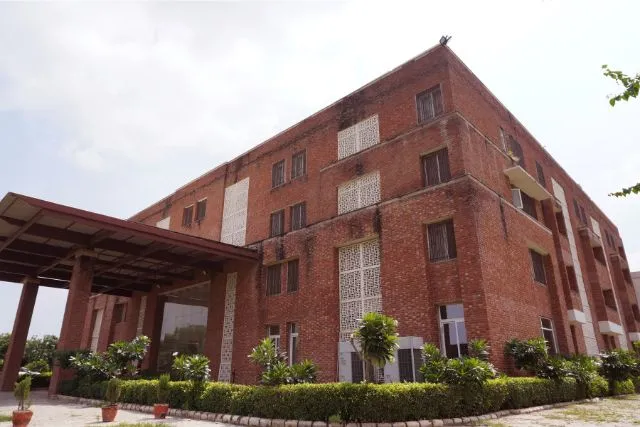
The word rehabilitation centre often brings up confused and mixed reactions from many. The name itself sounds strict, serious and full of regulations- but is that so?
Some people take it as a place of isolation and problems, but some see it as a place of restoring health and recovering. But a simple question remains- what happens behind the doors of a rehab centre?
Let’s take this mystery for a spin.
A rehabilitation centre is a place of recovery that is designed to facilitate treatment processes in a controlled environment. It helps people restore their strength from the issues of addiction, mental health disorders, or trauma from physical injuries. In the cases of mental health issues and addiction, these spaces provide a structured environment. This is essential because afflicted individuals can focus on getting better and solely interact with others for their betterment. Since it keeps them away from daily trials, tribulations and triggers of daily life, it is the perfect place for ensuring a fast paced recovery.
The first step
Assessment and history taking mark the first step of the rehabilitation journey. This process involves a comprehensive evaluation by psychologists, psychiatrists and a team of supportive psychiatric nurses and counselors. They look into the individual’s physical health, mental health, substance use history, and family background. On the basis of this information, a personalized treatment plan is put into place.
Second step
Detoxification marks the second step of the recovery journey. It is a medically supervised step to manage the triggers of withdrawal in cases of addiction. This process can last from a few days to a couple of weeks, depending on the severity of the case. Detox is crucial but only the beginning; real recovery happens after this phase.
Once the detox phase has ended, the real work begins. Therapy is the focus at this stage which includes-
- Individual Therapy- The clients connect individually with a therapist to resolve the root causes of their addiction and related mental health concerns.
- Group Therapy- This helps people connect with clients that are facing similar challenges. This allows clients to raise their concerns effectively and learn from their surroundings too.
- Family Therapy- Family Therapy plays a crucial role in rebuilding trust and communication in the family systems. This is essential to maintain a long term recovery. A popular study in The Indian Journal of Psychiatry shows when family therapy is involved in treatment plans, social integration is much higher.
Having a comprehensive treatment plan can be a great way to ensure long term recovery. As per a study published in The New England Journal of Medicine, structured treatment plays a significant role. When a holistic and structured treatment is coupled with therapeutic and medical interventions, there is an increased chance of recovery success rates.
A rehabilitation centre like Tulasi healthcare is a second chance for many. It’s a place where people can pause, heal, and rebuild their lives with the support of trained professionals and a nurturing environment.
